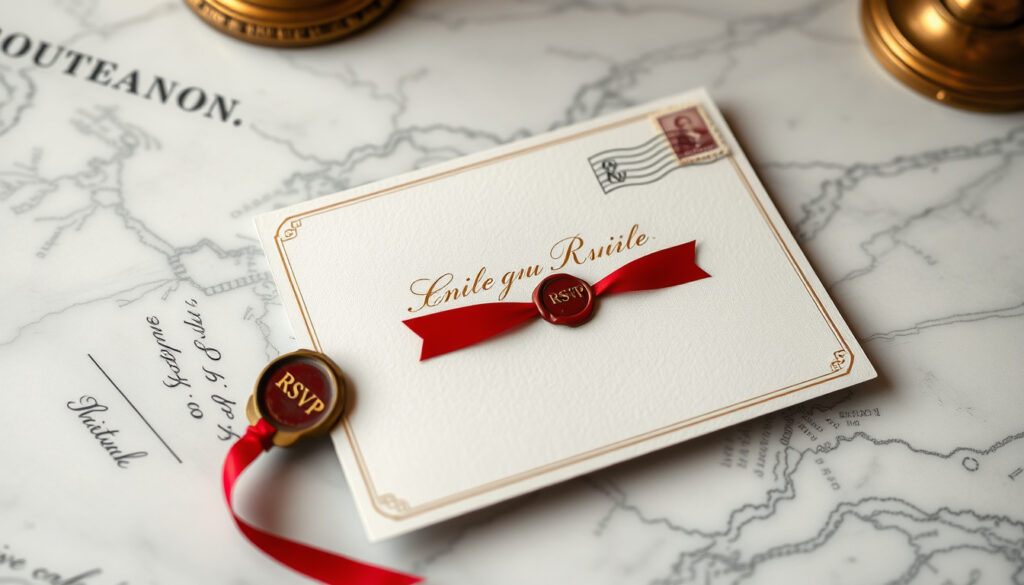
What Does RSVP Stand For – Meaning, Origin and Etiquette
If you’ve ever received an invitation with “RSVP” written at the bottom, you may have wondered what those four letters actually mean. The term appears everywhere—from formal wedding cards to casual birthday party invites, business meeting requests, and even text messages. Despite its widespread use, the meaning and origins of RSVP remain unfamiliar to many.
This guide explains exactly what RSVP stands for, where the term comes from, how it’s used in different contexts, and what proper etiquette dictates when responding to invitations.
What Does RSVP Stand For?
RSVP is an initialism derived from the French phrase répondez s’il vous plaît, which directly translates to “please respond” or, more literally, “respond if it pleases you.” The term requests confirmation of attendance for events ranging from weddings and birthdays to business gatherings and social functions.
Répondez s’il vous plaît
Please respond
French etiquette
Event invitations
Key Facts About RSVP
- RSVP originated in French etiquette and entered English usage during the early 19th century
- The phrase is commonly pronounced as individual letters: “R-S-V-P” (are-es-vee-pee)
- French speakers today rarely use RSVP, preferring phrases like Réponse attendue avant le… (“Response expected before…”)
- Saying “please RSVP” is technically redundant, as s’il vous plaît already means “please”
- The term is still common in Quebec French and throughout formal English invitations worldwide
- Variations in formatting include R.S.V.P., RSVP, and r.s.v.p. with periods being optional
| Aspect | Detail |
|---|---|
| Full Form | Répondez s’il vous plaît |
| English Meaning | Respond if you please |
| Pronunciation | R-S-V-P (are-es-vee-pee) |
| Primary Context | Invitations and Events |
| Origin Language | French |
| First Usage (Recorded) | Early 19th century |
What Does RSVP Mean on Invitations?
When RSVP appears on an invitation, it serves as a formal request for the recipient to confirm whether they will attend. This allows hosts to plan accurately for headcount, seating arrangements, catering, and other logistical considerations.
RSVP on Wedding Invitations
Wedding invitations traditionally include RSVP cards with pre-addressed, stamped envelopes for mailed responses. Couples rely on these confirmations to finalize venue seating, meal counts with caterers, and overall event budgeting. According to The Knot, wedding RSVPs typically ask about attendance, meal preferences, and the possibility of bringing a guest.
RSVP on Birthday Invitations
Birthday party invitations may include RSVP for both children and adult celebrations. Parents confirm their child’s attendance and note any dietary restrictions or allergies. For adult birthdays, hosts use responses to arrange activities, party favors, and food quantities.
RSVP for Casual Events
Even informal gatherings—from backyard barbecues to game nights—increasingly include RSVP. This helps hosts manage food, beverages, and available space, particularly when hosting at smaller venues or apartments.
When responding to an invitation with RSVP, always reply even if you cannot attend. A prompt response, whether accepting or declining, allows your host to plan effectively and demonstrates consideration for their efforts.
How to Respond to RSVP Requests
Response formats have evolved over time to accommodate various communication preferences and technological advances.
- Traditional format: Mailed response cards with handwritten confirmation and stamped return envelopes
- Informal format: Phone calls, text messages, or emails to the host directly
- Digital format: Dedicated wedding websites, event apps, or social media event pages
How Is RSVP Used in Text, Business, and Tools Like Outlook?
RSVP in Text Messages
Text messaging has made informal event coordination straightforward. A simple “Yes, I’m in!” or “Count me out” serves the same function as a formal written response. The key principle remains unchanged: always reply, whether attending or not.
RSVP in Business Contexts
Business dinners, corporate conferences, and professional networking events frequently use RSVP to gauge attendance. Event planners and administrative assistants depend on accurate headcounts to reserve meeting rooms, order appropriate quantities of food, and arrange accommodations for out-of-town guests.
Business RSVP responses often follow more formal conventions. A professional reply typically acknowledges the invitation, confirms attendance, and may include dietary preferences or special requirements.
RSVP in Email and Outlook
Microsoft Outlook and similar email clients include RSVP functionality that allows recipients to respond with “Accept,” “Decline,” or “Maybe” with a single click. These digital tools automatically notify the event organizer of your response.
According to JotForm, the same etiquette rules apply to digital RSVP as to traditional invitations. Responding promptly and honestly helps organizers manage logistics efficiently.
If you receive an Outlook calendar invitation with RSVP options, treat it the same as a formal invitation card. Prompt responses help organizers make timely decisions about seating and catering.
How Do You Pronounce RSVP?
The standard pronunciation treats RSVP as an initialism, with each letter spoken separately: “R-S-V-P” (pronounced are-es-vee-pee). This follows conventional English practice for acronym-style terms.
Some speakers attempt a French pronunciation, saying something like “ray-son-pway,” but this is uncommon in English contexts. The majority of English speakers use the letter-by-letter pronunciation regardless of the French origins.
Using “please RSVP” constitutes a form of RAS syndrome (Redundant Acronym Syndrome), since s’il vous plaît already means “please.” Saying “please respond” achieves the same meaning more clearly.
The History and Evolution of RSVP
Understanding when and how RSVP emerged provides context for its continued use in modern invitations.
- Early 19th century: RSVP originated in French aristocratic etiquette, where responding to invitations was considered essential courtesy
- 1825: The term reportedly appeared in Domestic Duties by Mrs. William Parkes, a guide for young housewives on proper social conduct
- 1845: Widely cited as a prominent year for RSVP’s appearance in English social correspondence
- 1900s: Responding to invitations became assumed etiquette, making “RSVP” somewhat redundant on formal invitations
- Post-1953: Usage expanded significantly in social planning contexts, particularly in North America
- Modern era: Digital tools, social media, and event management platforms have adapted the concept while maintaining the core principle of attendance confirmation
French was historically considered the language of culture and etiquette across European and American high society, which explains why a French phrase became standard for English formal invitations.
What We Know—And What We Don’t—About RSVP
While the origins and meaning of RSVP are well-documented, some aspects remain less clear.
| Established Information | Uncertain Information |
|---|---|
| French phrase: répondez s’il vous plaît | Precise first appearance date in English |
| Translation: “please respond” | Exact inventor or first prominent user |
| Origin: French etiquette traditions | Regional variations in early adoption |
| Common pronunciation: “R-S-V-P” | Frequency of French-style pronunciation |
| Modern usage: global across event types | Future trajectory in digital communication |
Understanding RSVP in Modern Times
Today’s RSVP practices reflect changing communication habits while maintaining their original purpose. The explosion of digital communication has created new channels for responses—from event websites and dedicated apps to social media reactions and instant messaging.
Despite these technological advances, the fundamental principle remains unchanged: hosts need to know how many guests to expect, and guests who ignore RSVP requests create difficulties for planning. Proper RSVP etiquette dictates that silence is not an acceptable response.
Modern interpretations have also expanded RSVP beyond traditional events. Social media platforms allow users to mark themselves as “going,” “interested,” or “not going” to public events. These features essentially serve the same function as traditional RSVP, helping organizers gauge actual attendance.
What Experts and Sources Say About RSVP
“By the 1900s, it became assumed etiquette to respond, making ‘RSVP’ on invites somewhat redundant in formal contexts.”
— The Knot, Wedding Etiquette Guide
“Not responding is rude, as hosts depend on it for accurate planning of food, seating, and other arrangements.”
— The Dress Outlet, Event Planning Resources
“RSVP originated in French etiquette, entering English usage around the early 19th century. French was considered the language of culture and etiquette, explaining its adoption in English.”
— MIT ISO, Americanisms and Language Evolution
Key Takeaways on RSVP
RSVP serves as an essential communication tool in event planning, from formal weddings to casual gatherings and professional business functions. The French phrase répondez s’il vous plaît translates simply to “please respond,” but its practical impact on successful events is significant. Whether using traditional mailed cards or modern digital tools, responding promptly and thoughtfully to RSVP requests demonstrates consideration for hosts and enables effective planning for everyone involved.
For more language guides, explore our article on What Is an Antonym.
Frequently Asked Questions
What does RSVP stand for on wedding cards in English?
RSVP stands for the French phrase répondez s’il vous plaît, meaning “please respond.” On wedding cards, it requests confirmation of your attendance so the couple can plan for seating, meals, and other arrangements.
What does RSVP mean on a birthday invitation?
On a birthday invitation, RSVP asks you to confirm whether you will attend the celebration. This helps the host plan for food, party favors, and appropriate space for all guests.
What does RSVP stand for in text messages?
In text messages, RSVP carries the same meaning as on formal invitations—please respond. Texting your attendance to the host is now widely accepted as a valid RSVP response.
Is saying “please RSVP” redundant?
Yes, saying “please RSVP” is technically redundant. Since s’il vous plaît in the original French phrase already means “please,” adding “please” before RSVP repeats the same concept.
What happens if I don’t RSVP to an invitation?
Failing to RSVP is generally considered rude because hosts depend on responses for accurate planning. If no response is received, hosts typically assume the guest will not attend.
How should I respond to an RSVP if I cannot attend?
Respond politely with a decline, such as “Thank you for the invitation, but I unfortunately cannot attend.” Even when declining, a timely response helps the host adjust their plans.
Does RSVP have different meanings in different countries?
The meaning remains consistent globally: “please respond.” However, usage varies—modern French speakers rarely use RSVP themselves, preferring direct phrases like Réponse attendue avant le… (“Response expected before…”), while the term remains common in Quebec and throughout English-speaking regions.
More related posts
 Bengals vs Buffalo Bills Match Player Stats: Stats & Playoff
 Another Word for Significant: 230+ Synonyms & Alternatives
 French Onion Soup Recipe – Step by Step with Secret Tips
 How Old Is Billie Eilish? Age, Real Name, and More in 2025
 Julia Fox Uncut Gems: Her Role, Age, and Rise to Fame
 Trump Big Beautiful Bill: What It Means for Taxes
 Why Am I Dizzy – Causes, Types and When to Worry