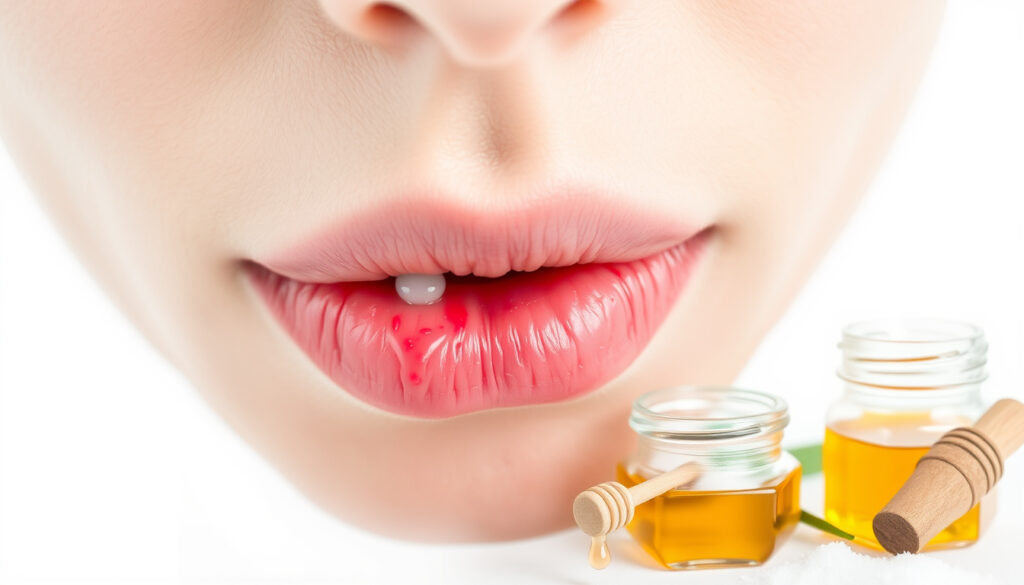
Canker Sore on Lip: Causes, Treatment & Relief Tips
If you’ve ever felt that sharp, burning sting inside your lip and wondered whether you were dealing with a canker sore or something more worrying, you’re not alone. These small ulcers are surprisingly common—affecting roughly 20-40% of people at some point—and they have a habit of showing up right when you need your smile most. The good news is that most clear up on their own within 7-14 days, and a few simple tricks can ease the discomfort significantly. Below, we’ll walk through what they are, how to tell them apart from viral cold sores, and exactly what works to get rid of them faster.
Typical Duration: 7-14 days · Contagious: No · Location: Inside mouth or lip · Common Triggers: Stress, acidic foods, minor injury · Nutrient Links: Vitamin B12, folate deficiencies
Quick snapshot
- Canker sores are not contagious (National Institute of Dental and Craniofacial Research)
- They are non-viral; triggered by irritation, stress, or nutritional deficiency (NIDCR)
- Typical appearance: white/yellow center with bright red border (Orajel)
- Exact underlying cause remains unknown
- Why some individuals experience recurrent episodes while others rarely do
- Precise role of immune system in triggering outbreaks
- Most resolve within 7-14 days without treatment
- Larger sores may take up to 4 weeks to fully heal
- Early intervention can shorten duration and reduce pain
- Saltwater rinses and protective pastes provide first-line relief
- OTC gels and antimicrobial mouthwashes available for persistent cases
- Recurrence is common; addressing nutrient deficiencies may reduce frequency
| Attribute | Value |
|---|---|
| Contagious? | No |
| Viral? | No |
| Typical Size | Under 1 cm |
| Recurrence Rate | Common in 20-40% of people |
How can you get rid of a canker sore on your lip?
Getting rid of a canker sore on your lip usually starts with simple home care, though persistent or unusually large sores may warrant a trip to the dentist or doctor. Most people find relief through a combination of gentle oral hygiene, dietary adjustments, and over-the-counter products designed to protect the ulcerated area.
Home remedies
- Rinse your mouth with warm salt water two to three times daily—this promotes healing and reduces bacteria near the sore (Aspen Dental)
- Apply a thin layer of honey directly to the sore; honey has natural antibacterial properties and can soothe irritation
- Avoid acidic foods and beverages (citrus, tomatoes, coffee) while the sore heals, as these can sting and delay recovery
- Use a soft-bristled toothbrush to prevent further injury to the sensitive tissue
Over-the-counter treatments
- Protective gels and pastes create a barrier over the ulcer, shielding it from food and saliva
- Mouthwashes containing gentle antiseptics can reduce bacterial load without stinging
- Topical analgesics numb the area temporarily for easier eating and talking
No over-the-counter treatment will cure a canker sore overnight—the active phase typically runs 3-5 days regardless. What these products do is reduce pain and create conditions where eating and speaking hurt less while your body does the actual healing work.
When to see a doctor
- Sores lasting longer than three weeks without improvement
- Pain that interferes with eating or drinking despite OTC measures
- Extremely large ulcers (over 1 cm) or rapidly multiplying lesions
- Accompanying fever, which could indicate infection requiring prescription intervention
The implication: most canker sores respond well to home care within a week or two. If your sore is unusually painful, slow to heal, or keeps coming back, a dentist can prescribe antimicrobial mouthwash or topical steroids to accelerate recovery.
What does it mean when you have a canker sore on your lip?
A canker sore on your lip is a small, shallow ulcer that forms inside the mouth—on the inner surface of the lip, cheeks, tongue, or soft palate. Unlike cold sores, they are not caused by a virus and cannot be passed from one person to another through contact. According to the National Institute of Dental and Craniofacial Research, these sores are non-contagious aphthous ulcers triggered by local irritation, stress, or nutritional shortfalls rather than infection.
Symptoms
- A round or oval sore with a white, yellow, or gray center and a bright red inflamed border (Orajel)
- Tingling or burning sensation in the hours before the sore becomes visible
- Tenderness that makes eating spicy, salty, or acidic foods uncomfortable
- Pain that subsides as the sore begins to shrink and heal
Common locations
- Inside the lip (most common when people search “canker sore on lip”)
- Inner cheeks and the floor of the mouth
- Tongue and soft palate
- Less commonly, the gums
Canker sores appear exclusively inside the mouth. If you have a sore on the outer surface of your lip—the red part you can see in the mirror—it is far more likely a cold sore caused by herpes simplex virus type 1 (HSV-1), which is contagious and requires different treatment.
The implication: a canker sore on the lip means you have a non-contagious ulcer triggered by something your body is sensitive to. Identifying and addressing triggers—like a vitamin B12 or folate deficiency—can reduce how often these sores return.
How to tell if it’s a canker sore or STD?
This is one of the most common anxieties people have when they spot a sore near their mouth. The short answer is that location and appearance tell you almost everything you need to know, but a few key distinctions help clarify things further.
Key differences from cold sores
| Feature | Canker Sore | Cold Sore |
|---|---|---|
| Causative agent | Non-viral (irritation, stress, deficiency) | Herpes simplex virus type 1 (HSV-1) |
| Contagiousness | Not contagious | Highly contagious |
| Location | Inside mouth only | Outside mouth (lips, nose, chin) |
| Appearance | White/yellow center, red border, flat ulcer | Red fluid-filled blisters in groups |
| Healing pattern | Gradually shrinks | Blisters break, form crust, heal |
Three sources confirm this pattern: NIDCR, Orajel, and My Rancho Bernardo Dentist all emphasize that canker sores stay inside the mouth and are non-contagious, while cold sores are caused by HSV-1 and spread through skin-to-skin contact with an active blister.
Vs. chancres
- Chancres (syphilis) appear as firm, painless ulcers and typically show up on the genitals or near the site of infection
- Oral chancres are rare but can occur; they are not surrounded by the red inflammatory border typical of canker sores
- If you have any doubt about the nature of a mouth sore—particularly one that is painless, unusually firm, or accompanied by other symptoms—a healthcare provider can order testing to rule out STIs
The location test is your best first step: a sore entirely inside your mouth is almost certainly a canker sore. A visible blister on the outside of your lip is most likely a cold sore caused by HSV-1—contagious and treated with antiviral medications rather than protective gels alone.
How long do lip canker sores last?
Most canker sores on the lip clear up within 7-14 days with basic home care. Orajel confirms that typical canker sores follow this timeline, while Aspen Dental notes that larger ulcers can take up to four weeks to fully resolve.
Healing timeline
- Days 1-3: Sore appears, reaches full size, most painful phase
- Days 4-7: Pain typically decreases, sore begins to shrink
- Days 7-14: Most minor sores heal completely
- Up to 28 days: Reserved for large or particularly deep ulcers
Factors affecting duration
- Continued irritation from hard toothbrushes, sharp foods, or dental appliances extends healing time
- Nutritional deficiencies (B12, folate, iron) may slow recovery
- Stress—both emotional and physical (like illness)—can prolong or trigger new outbreaks
- Treating early with protective products can shorten the painful phase even if total healing time stays similar
The pattern: canker sores follow a predictable arc. The first few days are the worst; by the second week, most people are nearly back to normal. If your sore is still going strong after three weeks, it’s worth a dental or medical visit to rule out other causes.
What vitamin are you lacking if you get canker sores?
Research points to several nutrient shortfalls that appear more frequently in people who get recurrent canker sores. The National Institute of Dental and Craniofacial Research lists deficiencies in folic acid, iron, and vitamin B12 among the documented triggers. Addressing these gaps—through diet or targeted supplementation—may reduce how often you get these sores.
Nutritional deficiencies
- Vitamin B12: Low B12 levels are strongly linked to recurrent canker sores; supplementation has reduced outbreak frequency in clinical observations
- Folate (Vitamin B9): Folate deficiency is one of the most common nutritional triggers documented by dental researchers
- Iron: Iron deficiency anemia correlates with more frequent and severe aphthous ulcers
Other triggers
- Physical injury: Accidental bites, sharp foods, or aggressive brushing can create an entry point for a canker sore
- Stress: Emotional stress is a well-documented trigger for outbreak cycles
- Hormonal changes: Some people notice more sores during menstrual periods
- Food sensitivities: Acidic foods, chocolate, coffee, and nuts are common culprits
A simple blood test can identify whether you’re deficient in B12, folate, or iron—but many people with recurrent canker sores have normal levels. This suggests that for some individuals, the trigger is more complex than a single nutrient gap, potentially involving immune system patterns or localized tissue sensitivity that standard lab work doesn’t capture.
The implication: if you get canker sores more than a few times a year, a visit to your primary care provider for nutrient testing is a practical step. Correcting a B12 or iron deficiency won’t guarantee you’ll never get another canker sore, but it may significantly cut the frequency.
Treating a Canker Sore on the Inside of the Lip: Step by Step
Here is a practical sequence you can follow the moment you feel that familiar tingle on the inside of your lip:
- Assess the sore: Check whether it is inside the mouth (likely a canker sore) or on the outer lip surface (possibly a cold sore). Look for the white/yellow center with a red border typical of aphthous ulcers.
- Rinse with warm salt water: Dissolve ½ teaspoon of salt in 8 ounces of warm water. Swish for 30 seconds, then spit. Do this two to three times daily to reduce bacteria and promote healing.
- Apply a protective gel or paste: OTC products like Orajel or similar barrier gels coat the ulcer and shield it from food friction. Apply after rinsing for maximum benefit.
- Modify your diet: Temporarily avoid citrus fruits, tomatoes, spicy peppers, and crunchy foods that can scrape the sore. Stick to soft options like yogurt, mashed potatoes, and smoothies.
- Monitor for 3-5 days: If the sore is shrinking and pain is decreasing, continue home care. If it is growing larger, becoming increasingly painful, or showing no improvement after five days, consider an OTC antiseptic mouthwash.
- Escalate if needed: For large or extremely painful sores that disrupt eating, see a dentist or doctor. Prescription options include topical steroids or antimicrobial rinses that are more effective than OTC alternatives.
The implication: most people can manage a canker sore inside the lip without any prescription products. The key is starting gentle care early—salt water rinses and protective gels—and avoiding foods that drag out the painful phase.
Comparing Cold Sores and Canker Sores
Three major distinctions separate these two types of mouth sores, and getting them straight saves a lot of unnecessary worry.
| Attribute | Canker Sore | Cold Sore |
|---|---|---|
| Causative agent | Non-viral; stress, injury, or deficiency | Herpes simplex virus type 1 (HSV-1) |
| Location | Always inside mouth | Outside mouth (lips, nose, chin) |
| Contagious | No | Yes, through skin contact |
| Appearance | Flat ulcer, white/yellow center, red border | Fluid-filled blisters that crust over |
| Typical duration | 7-14 days | 10-14 days |
| Treatment | Salt rinses, protective gels, address deficiencies | Antiviral creams (Abreva), prescription oral antivirals |
Both GoodRx and Northwestern Medicine stress that cold sores spread fastest when an open blister exists, but HSV-1 can transmit even before visible symptoms appear. Canker sores carry no such transmission risk.
Canker sores are an inside-mouth problem you manage yourself. Cold sores are a viral infection that requires antiviral treatment and careful hygiene to avoid spreading. When people search “canker sore on lip,” they’re almost always dealing with the former—but confirming the location settles the question fast.
A canker sore is a painful, non-contagious sore inside of your mouth. It is not caused by the herpes simplex virus. Treatment focuses on relieving pain and promoting healing while the sore runs its course.
— National Institute of Dental and Craniofacial Research (federal dental health authority)
Canker sores are not contagious. They can be triggered by injury to the mouth, stress, or deficiencies in folic acid, iron, or vitamin B12. Cold sores, by contrast, are caused by a virus and spread through contact.
— Orajel (oral care product manufacturer)
There is no treatment that permanently cures either canker sores or cold sores and prevents them from recurring, according to the NIDCR. For cold sores, prescription antiviral medications (topical or oral) can shorten outbreaks. For canker sores, addressing nutritional triggers and using protective products manage symptoms during each episode.
The implication: confusing these two conditions leads to unnecessary worry about contagion and delays appropriate treatment. Knowing that a sore inside the mouth is almost certainly a canker sore—and not HSV-1—lets you focus on comfort measures rather than antiviral protocols.
Related reading: Toxic Shock Syndrome Symptoms – Early Signs, Causes, Treatment · What Does Strep Throat Look Like? Vs Sore Throat Symptoms
rupahealth.com, dehnertdental.com, pmc.ncbi.nlm.nih.gov, utahperio.com, zendentalcenterseattle.com, cleure.com
Properly identifying lip blisters not cold sores ensures you apply the right remedies, since they share triggers but differ from contagious cold sores.
Frequently asked questions
Are canker sores from poor hygiene?
No. Canker sores are not caused by poor oral hygiene. They are triggered by factors like stress, minor injuries to the mouth, food sensitivities, or nutritional deficiencies in B12, folate, or iron. Maintaining good hygiene helps prevent infection of any open sore, but it won’t prevent canker sores from forming.
Can canker sores appear on the tongue or gum?
Yes. Canker sores can appear on the tongue, gums, soft palate, inner cheeks, and inside the lip. They are always on the inside of the mouth. If you have a sore on the outer surface of your lip or near your nose, it is more likely a cold sore caused by HSV-1.
What is a herpetiform canker sore?
Herpetiform canker sores are a less common variant that appear as clusters of tiny ulcers (1-3 mm) that may merge into a larger sore. Despite the name, they are not caused by the herpes virus. They follow the same non-contagious pattern as standard canker sores and are treated similarly.
Are canker sores a sign of cancer?
Most canker sores are benign and heal on their own within two weeks. A sore that does not heal after three weeks, grows unusually large, or is accompanied by unexplained weight loss or fever should be evaluated by a healthcare provider to rule out other conditions, including oral cancer.
How to prevent canker sores on the lip?
Prevention strategies include managing stress, avoiding foods that trigger your sores (commonly acidic or hard-textured items), using a soft-bristled toothbrush, and ensuring adequate intake of B12, folate, and iron through diet or supplements if testing shows a deficiency.
Do canker sores need antibiotics?
No. Canker sores are not bacterial infections, so antibiotics are not effective against them. Most heal with home care (salt rinses, protective gels). If a canker sore becomes secondarily infected—a rare complication—a doctor may prescribe an antimicrobial mouthwash, not an oral antibiotic.
Can stress cause canker sores?
Yes. Emotional and physical stress are well-documented triggers for canker sore outbreaks. Stress does not cause the sore directly, but it appears to lower the threshold for outbreak activation, particularly in people who are already prone to recurrent canker sores.
More related posts
 Rick and Morty Season 8: Release Date, Episodes, Where to Watch
 Goodwill Bins Near Me: How to Find & Shop Outlets
 Map of African Countries: List, Capitals & Regions
 How to Cut a Pomegranate: No-Mess Methods That Work
 How to Get Rid of Nausea Fast: Proven Home Remedies
 Low Taper Textured Fringe: Complete Guide & Fade Options
 Window Tint Near Me – Shops, Costs, Laws Guide
 Steven Spielberg Disclosure Day: Plot & Reviews