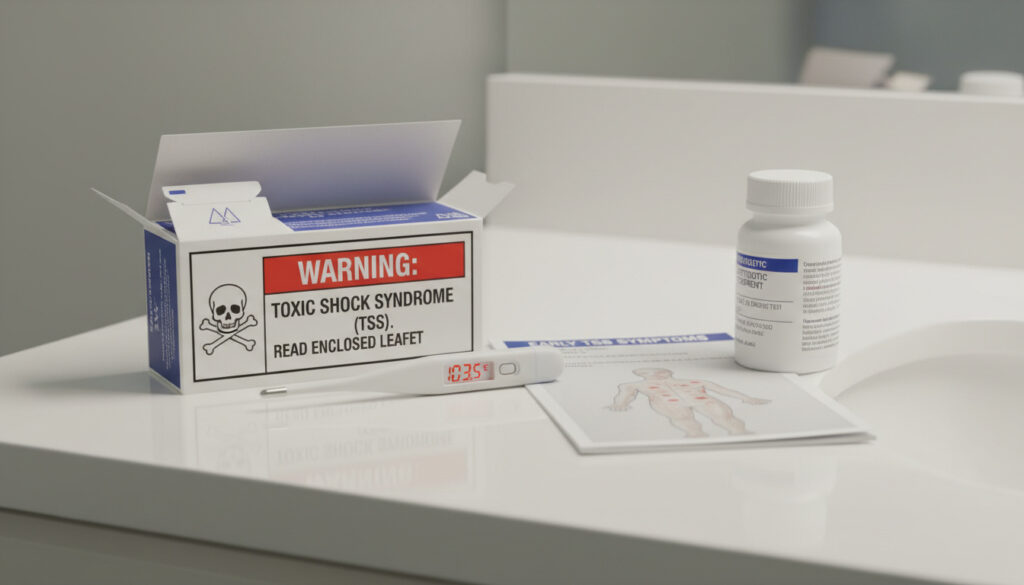
Toxic Shock Syndrome Symptoms – Early Signs, Causes, Treatment
Toxic shock syndrome (TSS) represents a rare but potentially fatal bacterial condition triggered by toxins that infiltrate the bloodstream, causing sudden systemic collapse. Unlike common infections that develop gradually, TSS progresses within hours, attacking multiple organ systems simultaneously while masquerading initially as influenza or food poisoning.
While public awareness often associates the condition exclusively with tampon use in young women, medical data reveals a broader threat spectrum. Men, children, and postmenopausal women all face risk through alternative pathways including surgical wounds, skin infections, and viral respiratory illnesses. Current surveillance indicates approximately 0.8 to 3.4 cases per 100,000 individuals annually in the United States, with non-menstrual cases now comprising roughly half of all staphylococcal TSS incidents.
Early recognition of specific symptom patterns—particularly the combination of high fever, sunburn-like rash, and dangerously low blood pressure—determines survival outcomes. The condition demands immediate emergency intervention; delayed treatment correlates directly with increased mortality, especially in streptococcal variants where death rates climb significantly when diagnosis lags.
What Are the Symptoms of Toxic Shock Syndrome?
Temperature spikes above 102°F (38.9°C), often accompanied by chills and rigors.
Dangerously low blood pressure causing dizziness, fainting, and rapid heart rate.
Sunburn-like redness covering the body, followed by skin peeling on palms and soles.
Muscle aches, headache, nausea, vomiting, and watery diarrhea.
- Rapid onset distinguishes TSS from routine infections, with symptoms escalating from vague malaise to life-threatening shock within 24 to 48 hours.
- The characteristic rash resembles severe sunburn, typically appearing flat and red across the torso before spreading to extremities.
- Desquamation—skin peeling on palms and soles—emerges one to two weeks after initial symptom resolution, serving as a diagnostic retrospective marker.
- Hypotension often proves the critical tipping point, signaling progression toward multi-organ failure and requiring immediate vasopressor support.
- Streptococcal TSS presents additional warning signs, including bruising, bleeding disorders, and respiratory distress absent in staphylococcal variants.
- Unlike influenza, TSS rarely produces respiratory symptoms such as cough or congestion, instead focusing its attack on the bloodstream and skin.
| Symptom | Typical Onset | Clinical Significance |
|---|---|---|
| High Fever (>102°F) | Hours 0-6 | First recognizable sign; sudden spike distinguishes from gradual viral onset |
| Myalgia/Muscle Aches | Hours 0-12 | Profound weakness affecting large muscle groups |
| Gastrointestinal Distress | Hours 6-24 | Watery diarrhea and vomiting leading to dehydration |
| Hypotension | Hours 12-48 | Diastolic pressure often unmeasurable; signals septic shock transition |
| Macular Rash | Hours 12-48 | Non-itching, sunburn-like erythema covering >90% body surface |
| Desquamation | Days 7-14 | Peeling of palms/soles; diagnostic confirmation despite clinical improvement |
| Confusion/Disorientation | Hours 24-72 | Indicates central nervous system involvement and metabolic acidosis |
| Multi-organ Dysfunction | Days 2-5 (if untreated) | Acute kidney injury, liver failure, coagulopathy |
External validation of these symptom patterns appears in Mayo Clinic’s clinical guidelines, which emphasizes the sudden fever and rash combination as pathognomonic.
What Causes Toxic Shock Syndrome?
TSS originates not from the bacteria themselves but from potent exotoxins released into the bloodstream, triggering a cascade of immune hyperactivation known as cytokine storm. This systemic inflammatory response causes capillary leakage, tissue hypoperfusion, and subsequent organ failure.
The Bacterial Sources
Staphylococcus aureus produces toxic shock syndrome toxin-1 (TSST-1), responsible for approximately half of all cases. Streptococcus pyogenes (group A strep) generates alternate exotoxins associated with more invasive, destructive infections. Clostridium sordellii, though less common, contributes to post-procedural and postpartum cases through unique pathogenic mechanisms.
Beyond Tampons
While high-absorbency tampons historically dominated public perception after 1980s epidemiological investigations, current medical understanding recognizes diverse entry portals. Surgical wounds, burns, skin infections, nasal packing, and recent influenza or chickenpox infections all provide bacterial access to the bloodstream. Menstrual cups, sponges, and diaphragms left in place beyond recommended timeframes similarly create anaerobic environments conducive to toxin production.
Staphylococcal TSS frequently presents with the classic triad of fever, rash, and hypotension, while streptococcal variants often skip the rash in favor of rapidly spreading soft tissue destruction and bruising. Both require identical emergency response protocols.
The Centers for Disease Control and Prevention maintains that while tampon manufacturing changes reduced menstrual cases, the bacterial reservoirs persist across multiple population groups.
How Is Toxic Shock Syndrome Diagnosed and Treated?
Clinical Diagnosis
Clinicians diagnose TSS primarily through clinical presentation aligned with CDC case definitions, supplemented by laboratory confirmation. Blood and wound cultures identify the bacterial source, while toxin detection assays confirm the specific pathogenic mechanism. Physicians must exclude alternative sepsis causes, leptospirosis, and Rocky Mountain spotted fever, which mimic early TSS presentations.
Emergency Interventions
Immediate hospitalization proves non-negotiable. Treatment protocols include aggressive intravenous fluid resuscitation, vasopressor medications to maintain blood pressure, and broad-spectrum antibiotics typically combining clindamycin with vancomycin or linezolid. Source control—draining abscesses, removing tampons or packing, and debriding infected tissue—removes ongoing toxin production. Intravenous immunoglobulin (IVIG) occasionally modulates immune response in refractory cases.
Unlike managing routine kitchen safety or Olive Oil Smoke Point – Temperatures for Safe Cooking, TSS requires immediate medical intervention rather than home management.
Treatment protocols align with Cleveland Clinic emergency standards, which mandate IV antibiotics within the first hour of presentation.
What Are the Risks, Prevention, and Outcomes of TSS?
Vulnerable Populations
Immunocompromised individuals, those with diabetes, chronic lung or heart disease, and patients with recent surgical interventions face elevated risk. Children developing chickenpox or influenza experience increased susceptibility to streptococcal TSS through skin barrier compromise. Notably, prior TSS provides no immunological protection—recurrence remains possible, particularly with continued tampon use.
Prevention Strategies
Tampon safety protocols mandate using the lowest absorbency necessary, changing products every four to eight hours, and alternating with sanitary pads. Menstrual cups and sponges require similar vigilance regarding duration of use. Proper wound hygiene—keeping cuts clean, dry, and covered—prevents bacterial colonization. Prompt treatment of skin infections and respiratory viruses reduces secondary TSS risk.
Staphylococcal TSS carries a mortality rate below 3% when treated promptly, while streptococcal variants prove far deadlier at 20% to 70%, particularly when diagnosis delays beyond 24 hours. Non-menstrual cases demonstrate higher fatality rates than menstrual-associated incidents in some cohort studies.
Individuals who survive staphylococcal TSS lack protective antibodies against TSST-1. Medical guidelines recommend avoiding tampons entirely following recovery, as repeat exposure carries significant reinfection risk.
Risk stratification data originates from Johns Hopkins Medicine, which tracks demographic variations in TSS presentation.
How Long Does It Take for TSS Symptoms to Appear?
- Initial Exposure (Hours 0-2): Bacterial colonization begins at wound site or vaginal canal; toxin production initiates in conducive anaerobic environments.
- Prodromal Phase (Hours 2-12): Sudden fever exceeding 102°F emerges alongside myalgias and headache; patients often mistake symptoms for influenza or acute gastroenteritis.
- Gastrointestinal Escalation (Hours 6-24): Persistent vomiting and watery diarrhea develop, exacerbating dehydration and electrolyte imbalances.
- Cardiovascular Collapse (Hours 12-48): Hypotension and tachycardia manifest as capillary leakage triggers distributive shock; confusion and disorientation indicate cerebral hypoperfusion.
- Dermatologic Manifestation (Hours 24-48): Diffuse macular rash spreads across trunk and extremities; mucous membrane involvement may occur.
- Organ Failure (Days 2-5 without treatment): Untreated progression leads to acute kidney injury, hepatic dysfunction, and coagulopathy.
- Convalescent Desquamation (Days 7-14): Resolution phase characterized by peeling skin on palms and soles, often after acute stabilization.
Chronological data regarding onset velocity appears in NCBI’s StatPearls resource.
TSS Facts vs. Common Misconceptions
Established Medical Facts
- Caused by bacterial toxins (TSST-1, streptococcal pyrogenic exotoxins) rather than the bacteria alone
- Affects all genders and age groups, with documented cases in men, children, and elderly patients
- Non-menstrual cases (wounds, surgery, post-viral) now equal or exceed tampon-associated incidents
- Requires immediate IV antibiotics and source control for survival
- Recurrence possible due to lack of protective immunity following staphylococcal infection
Persistent Myths & Uncertainties
- Myth: Only affects menstruating women using tampons
- Myth: Super-absorbent tampons remain the primary modern risk factor (manufacturing changes reduced but did not eliminate risk)
- Uncertainty: Exact incubation periods vary significantly based on bacterial load and host immune status
- Uncertainty: Long-term sequelae (fatigue, memory issues) lack extensive documentation due to condition rarity
Understanding the Scope of Toxic Shock Syndrome
The epidemiological landscape of TSS shifted dramatically since the 1980s when high-absorbency tampon formulations triggered widespread outbreaks among young women aged 15-25. Regulatory changes forcing reduced absorbency and modified compositions contributed to declining menstrual cases, yet the condition persists as a sporadic threat across diverse populations.
Current surveillance indicates incidence rates between 0.8 and 3.4 per 100,000 individuals annually in the United States. Streptococcal TSS disproportionately affects children and elderly patients following varicella or influenza infections, while staphylococcal variants distribute more evenly across age groups.
Statistical analysis regarding mortality disparities appears in Medical News Today, which documents the significant survival gap between staphylococcal and streptococcal variants.
Expert Medical Perspectives
“Toxic shock syndrome is a medical emergency requiring immediate hospitalization and aggressive supportive care. Early recognition of the clinical triad—fever, rash, and hypotension—significantly improves survival outcomes.”
— National Center for Biotechnology Information, StatPearls
“While tampon safety has improved dramatically since the 1980s, any device left in the vagina too long can create the oxygen-poor environment where Staphylococcus aureus produces its toxin.”
— Mayo Clinic
“Streptococcal toxic shock syndrome progresses more rapidly and causes more severe soft tissue destruction than the staphylococcal form, demanding immediate surgical evaluation for possible debridement.”
— Johns Hopkins Medicine
Key Takeaways on Toxic Shock Syndrome Symptoms
Toxic shock syndrome demands immediate medical attention when high fever, sunburn-like rash, and sudden low blood pressure converge. The condition transcends its historical association with tampon use, threatening anyone with skin wounds, surgical incisions, or recent viral infections through bacterial toxin release. Rapid progression from flu-like symptoms to organ failure occurs within days, making emergency department evaluation crucial for survival. While antibiotics and supportive care prove highly effective for staphylococcal variants, streptococcal forms retain mortality rates exceeding 20%, underscoring the urgency of early intervention. Just as careful attention prevents culinary mishaps like burned oil or poor reheating technique requiring guides such as Reheat Pizza in Air Fryer – No More Soggy Slices, vigilance regarding TSS warning signs prevents life-threatening complications.
Frequently Asked Questions
What are TSS symptoms in men?
Men experience identical systemic symptoms: sudden high fever, low blood pressure, sunburn-like rash, and muscle aches. However, infection typically originates from skin wounds, burns, or post-surgical sites rather than tampon use. Strep TSS particularly affects men following influenza or skin infections.
What is the survival rate for toxic shock syndrome?
Staphylococcal TSS carries a mortality rate below 3% with prompt treatment, while streptococcal variants prove significantly deadlier at 20% to 70%. Non-menstrual cases demonstrate higher fatality rates than menstrual-associated cases in some studies.
Can TSS be mistaken for influenza?
Initially, yes. Both present with fever, muscle aches, and malaise. However, TSS rapidly distinguishes itself through hypotension, a diffuse sunburn-like rash, and watery diarrhea—symptoms absent in standard influenza infections.
Is toxic shock syndrome curable with antibiotics?
Yes, but timing is critical. Intravenous antibiotics like clindamycin and vancomycin eliminate bacterial sources, yet survival depends on immediate hospitalization for fluid resuscitation and blood pressure support. The condition is not self-limiting and requires emergency medical intervention.
Can menstrual cups cause TSS?
Though cases remain rare, menstrual cups can harbor Staphylococcus aureus if left inserted beyond recommended timeframes. The anaerobic environment facilitates toxin production similar to tampons, necessitating strict adherence to emptying schedules every 8-12 hours.
What immediate actions should someone take if they suspect TSS?
Remove any tampon, diaphragm, or menstrual cup immediately and seek emergency department care without delay. Do not wait for symptoms to resolve or attempt home treatment, as the condition progresses to irreversible shock within hours.
More related posts
 SEO-Optimized Articles – How to Create for Better Rankings
 Best Places to Live in the US 2026: Rankings, Costs & Expat Tips
 Xfinity Customer Service Phone Number: How to Get a Human
 How to Cut a Pomegranate: No-Mess Methods That Work
 How Much is Netflix a Month in Ireland? Plans & Prices
 Catch Me If You Can: True Story, Abagnale’s IQ, and Today
 Matthew Modine Movies and TV Shows – Best Films and Series
 Sourdough Pizza Dough Recipe: Best Tips for Oven, Freeze & Discard