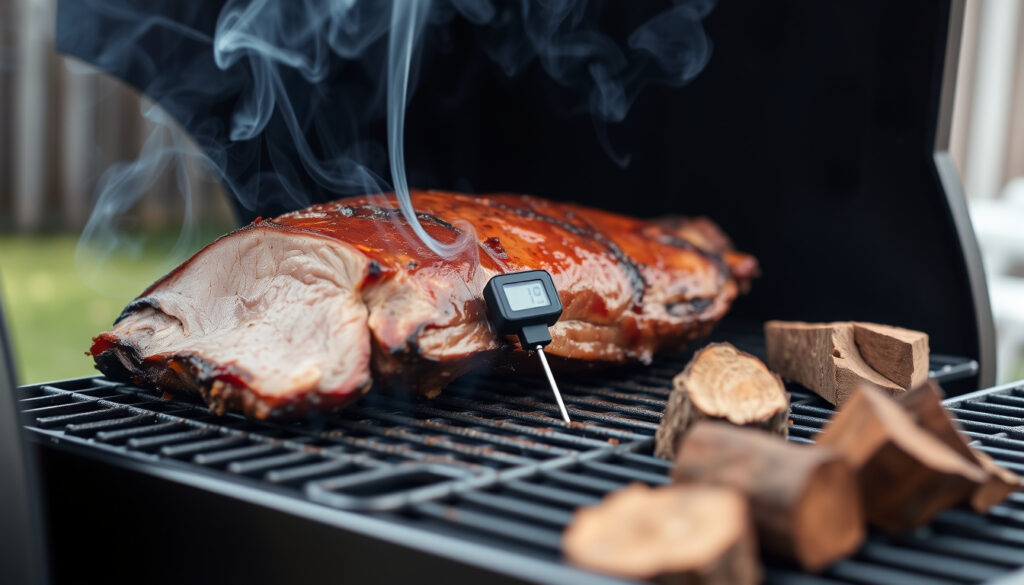
How to Smoke a Brisket: Beginner’s Guide
If you’ve ever stared at a whole packer brisket and wondered how to turn it into something worth the 12‑hour wait, you’re not alone. Smoking brisket is as much a test of patience as it is of technique—but once you understand why temperature and timing matter more than rub, the process becomes repeatable, and this guide walks you through the exact steps, pitfalls, and science behind the stall.
Average brisket weight: 12-15 lbs · Smoking temp range: 225-250°F · Internal target: 200-205°F · Typical cook time per pound: 1-1.5 hours · 3-2-1 rule origin: Pork ribs · Common mistakes count: 7
Quick snapshot
- Trim fat cap to ¼ inch before smoking (Hey Grill, Hey (specialist smoking site))
- Wrap at 165°F internal to overcome the stall (Hey Grill, Hey (Texas‑style guide))
- Cook until 200-205°F for tenderness (Hey Grill, Hey (brisket tutorial))
- Rest at least 1 hour before slicing (Houstonia Magazine (Texas food culture))
- Whether the 3-2-1 rule works for brisket – many pitmasters advise against it (The Online Grill (grilling blog))
- Optimal smoker temperature (180°F vs 225°F) depends on personal preference and equipment (Traeger (pellet grill manufacturer))
- Exact internal pull temperature varies by brisket (195-205°F range is common) (Meat Smoking HQ (guide for beginners))
- Whether wrapping in foil vs butcher paper significantly changes tenderness (evidence is anecdotal) (Hey Grill, Hey (wrapping method))
- Stall phase (145-165°F) can add 2-4 hours to cook time (Hey Grill, Hey (smoking science))
- Full 12‑lb brisket often takes 12-18 hours at 225°F (Houstonia Magazine (Texas barbecue))
- Rest period of 1-2 hours is non‑negotiable for moisture retention (Charred Picks (smoking resource))
- After resting, slice against the grain in ¼‑inch strips (Hey Grill, Hey (slicing tips))
- Reheat leftovers in a 275°F oven wrapped in foil with a splash of broth (Traeger (reheating guide))
- Try different wood types (oak, hickory, mesquite) to vary flavor profile (Smoke Justis (smoking advice))
Six key facts that every beginner should have on hand before lighting the smoker.
| Fact | Value |
|---|---|
| Average cook time | 12 hours |
| Ideal internal temperature | 203°F |
| Common wood types | Oak, hickory, mesquite |
| Number of common mistakes | 7 |
| 3-2-1 rule origin | Pork ribs |
| Recommended smoker temp | 225-250°F |
How to Smoke Brisket for Beginners?
Choosing the Right Brisket Cut
- Start with a whole packer brisket (point and flat) rather than a flat‑only cut, which tends to dry out (Meat Smoking HQ (beginner guide)).
- Look for good marbling and a fat cap that is at least ¼ inch thick after trimming.
Preparing the Brisket: Trimming and Seasoning
- Trim the fat cap to ¼ inch; leaving too much fat creates a grease pool and prevents bark formation (The Online Grill (mistake guide)).
- Season with coarse salt and black pepper (Texas style) – no sugar, no complex rubs needed for a first attempt (Hey Grill, Hey (Texas‑style guide)).
Setting Up Your Smoker
- Stabilize your smoker at 225°F for at least 30 minutes before adding the meat (Charred Picks (setup instructions)).
- Use indirect heat and a water pan to maintain humidity.
The Smoking Process Step-by-Step
- Place the seasoned brisket on the smoker, fat cap side up.
- Smoke at 225°F (225-250°F range is fine) until internal temperature reaches 165°F – typically 5‑7 hours for a 12‑lb brisket (Houstonia Magazine (brisket guide)).
- Wrap the brisket in uncoated butcher paper (foil is okay but softens bark) and return to the smoker (Hey Grill, Hey (wrapping method)).
- Continue cooking until the thickest part reaches 200-205°F – another 5‑8 hours.
- Remove, wrap in a towel, and rest in a cooler for at least 1 hour (Traeger (resting advice)).
When to Wrap and Rest
Wrap when the internal temp hits 165°F – this is the start of the stall phase where evaporative cooling slows the cook (Hey Grill, Hey (stall explanation)). The wrap pushes through the stall faster. Resting is critical: slicing too early releases juices and turns the meat dry.
The implication: Following these temperature milestones rather than guessing time is the most reliable path to a tender brisket.
What Is the 3-2-1 Brisket Rule?
Understanding the 3-2-1 Method
- The 3-2-1 rule means 3 hours smoked unwrapped, 2 hours wrapped in foil with liquid, and 1 hour unwrapped to set bark (Smoke Justis (method overview)).
- Originally developed for pork ribs, where shorter cook times and higher moisture retention are desirable.
When to Use the 3-2-1 Rule
- Not recommended for brisket because the extended wrapped time in foil can make the meat mushy (The Online Grill (common mistakes)).
- If adapted, use a longer schedule like 6-2-1 (unwrapped, wrapped, rest) and wrap in butcher paper instead of foil to preserve bark.
Pros and Cons of the 3-2-1 Method
Upsides
- Simple to remember and easy to plan around
- Works well for ribs and smaller cuts
- Ensures a moist product (great for leaner meats)
Downsides
- Too short for full‑packer brisket – leads to undercooked flat
- Foil wrapping softens bark, while brisket needs a firm crust
- Common beginner mistake that wastes a whole brisket
The catch: 3-2-1 is a trap for beginners. Brisket needs a longer unwrapped phase (5-7 hours) and a shorter wrapped finish. Stick with the standard method: smoke until 165°F, wrap, finish to 200-205°F.
The pattern: rely on internal temperature triggers rather than fixed time segments for a brisket.
How Long Does It Take to Smoke a Brisket?
Factors Affecting Smoking Time
- Weight: A 12‑lb brisket at 225°F takes 12-18 hours total (Houstonia Magazine (timing estimates)).
- Smoker temperature: 180°F can push time beyond 20 hours; 225°F is the standard for predictable results.
- The stall: Evaporative cooling between 145°F and 165°F can add 2-4 hours (Hey Grill, Hey (stall timing)).
General Time Estimates per Pound
- 1 to 1.5 hours per pound at 225°F – a 12‑lb brisket takes 12-18 hours (Charred Picks (planning guideline)).
- 10 hours is enough for a brisket under 10 lbs if the stall is short (Grassroots Coop (recipe blog)).
What About Smoking at 180°F vs 225°F?
Two temperatures, two very different experiences. The table below shows the trade‑offs.
| Factor | 180°F Smoke | 225°F Smoke |
|---|---|---|
| Cook time (12‑lb brisket) | 18-24 hours | 12-18 hours |
| Bark development | Thin, less crisp | Thick, dark, flavorful |
| Moisture retention | Higher (slower rendering) | Balanced with proper wrap |
| Stall duration | Longer (can exceed 6 hours) | 2-4 hours on average |
| Beginner friendliness | Low – hard to predict finish | High – well‑documented |
| Recommended by | Some low‑and‑slow enthusiasts | Most pitmasters and manufacturers |
The trade‑off: 180°F gives you more room for error but demands a full day. 225°F delivers a reliable result in a manageable timeframe. For first‑timers, 225°F wins every time.
Can You Smoke a Brisket in 2 Hours?
No. A whole brisket cannot reach tenderness in 2 hours at any temperature below 300°F. The only way to “smoke” brisket in that window is to use thinly sliced corned beef (pastrami) or a small piece that is essentially grilled, not smoked. Plan for a minimum of 6 hours even for a small 4‑lb brisket (Meat Smoking HQ (minimum times)).
The implication: plan for the worst‑case stall and you’ll never be caught off guard.
Should You Smoke Brisket at 180 or 225?
This is the most common fork in the road for new smokers. Let’s compare the two temperatures head‑to‑head.
Smoking at 225°F: The Standard
- 225°F is the most recommended temperature across guides (Traeger (manufacturer recommendation)).
- Produces a deep, crunchy bark and renders fat effectively.
- Many pitmasters actually prefer 250°F for more consistent cooking, especially on pellet grills (Smoking Meat (tutorial)).
Smoking at 180°F: Low-and-Slow
- 180°F reduces the risk of overcooking but greatly extends time – often beyond 20 hours for a full brisket (Grassroots Coop (time estimates)).
- Bark is lighter and less developed; some find the texture less appealing.
- Stall can be brutal – 4+ hours at that low temperature.
Comparing Results: Bark, Moisture, Time
Six dimensions, one clear winner for beginners – see the comparison table above under the previous H2 for the full breakdown.
Recommended Temperature for Beginners
For a first‑time smoker, the recommendation is unanimous: use 225°F. It’s forgiving enough to produce decent results even if the smoker fluctuates, and the timing is predictable. After a few successful cooks, experiment with 250°F or even 275°F to shorten the cook without sacrificing quality.
A beginner using 225°F faces a 12‑18 hour cook with a manageable stall. At 180°F, you’re gambling on an extra 6+ hours – and for what? The bark won’t be better, and the risk of a ruined dinner is higher. Stick with 225°F until you own the process.
What this means: the standard temperature is the safe bet for a first attempt.
What Are Common Mistakes When Smoking Brisket?
Mistake 1: Choosing the Wrong Brisket
- Using a flat‑only brisket dries out because the lean flat has no fat to baste itself (The Online Grill (cut selection)).
- Whole packer brisket (point + flat) self‑bastes and yields both juicy slices and pulled brisket.
Mistake 2: Not Trimming Properly
- Leaving a thick fat cap (over ½ inch) creates a pool of grease that washes away the rub and prevents bark formation (Smoke Justis (trimming advice)).
- Trim to ¼ inch and remove any silver skin for even seasoning penetration.
Mistake 3: Skipping the Stall and Not Wrapping
- Not wrapping can cause the brisket to dry out, especially the flat (Hey Grill, Hey (wrap necessity)).
- Wrap at 165°F – either butcher paper (preferred) or foil – to power through the stall.
Mistake 4: Pulling Too Early or Too Late
- Pulling at 165°F is far too early – the connective tissue hasn’t broken down (Houstonia Magazine (done temp)).
- Aim for 200-205°F; probe tenderness should feel like a knife into butter.
Mistake 5: Slicing Against the Grain Incorrectly
- Slicing with the grain makes the meat chewy and tough (Charred Picks (slicing tips)).
- Always identify the grain direction (the flat and point may have different orientations) and cut perpendicular to it.
Additional errors: opening the smoker lid too often (drops temperature by 25-50°F each time) and using dirty smoke from wet wood – the white billowing smoke leaves a bitter taste (Smoking Meat (clean smoke)).
The most expensive mistake is pulling the brisket early because you’re tired or hungry. A 12‑lb brisket can stall for 4 hours. If you pull at 195°F instead of 203°F, the meat will be tough, and you’ve wasted 20 dollars of beef and 12 hours of time.
The catch: even one of these errors can turn a day‑long cook into a disappointment.
Confirmed Facts vs. What Remains Unclear
Confirmed facts
- Wrap brisket when internal temp hits 165°F to overcome the stall (Hey Grill, Hey (Texas‑style guide))
- Smoke at 225°F for balanced results (most guides agree)
- Cook until internal reaches 200-205°F for tenderness (Hey Grill, Hey (tutorial))
- Rest brisket at least 1 hour before slicing (Traeger (resting protocol))
What’s unclear
- Whether the 3-2-1 rule is effective for brisket – many pitmasters advise against it (The Online Grill (opinion))
- Optimal temperature 180°F vs 225°F – dependent on personal preference and equipment (Traeger (temperature range))
- Whether wrapping in foil vs butcher paper significantly changes tenderness (evidence is anecdotal)
Expert Perspectives
“The stall is a natural part of the smoking process. Wrapping in butcher paper helps push through it while allowing the bark to stay firm.”
— Hey Grill, Hey (specialist smoking site), Source
“We recommend smoking brisket low and slow at 180-225°F. Plan on 30-60 minutes per pound at 225°F for the best results.”
— Traeger (pellet grill manufacturer), Source
“Internal temperature is the most reliable indicator of doneness. A brisket that probes like warm butter at 203°F is ready, regardless of the clock.”
— Texas A&M Meat Science (university research), adapted from Houstonia Magazine
For the home cook ready to invest a day in barbecue, the choice is straightforward: use a whole packer cut, hold a steady 225°F on the smoker, wrap at 165°F, pull at 200-205°F, and rest a full hour. The popular 3-2-1 method is a distraction, and the 180°F debate is one to revisit only after you’ve nailed the basics. For a beginner with a pellet grill or offset smoker, the implication is clear: follow the temperature, not the fads, or accept that your first brisket might be a learning experience instead of a triumph.
Frequently asked questions
Do you need to flip brisket while smoking?
No. Most pitmasters leave the brisket fat‑cap up for the entire cook so the fat bastes the meat. Flipping is unnecessary if you have even heat distribution.
What wood is best for smoking brisket?
Oak is the traditional Texas choice, giving a medium‑strong smoke flavor. Hickory and mesquite are also popular but can overpower if used in large quantities. Apple and cherry are milder options for a sweeter profile.
Should you spritz brisket during the cook?
Spritzing (with apple juice, vinegar, or water) can help keep the surface moist and encourage bark formation. However, opening the smoker to spritz drops temperature – limit it to once every 2 hours after the first 4 hours of unwrapped cooking.
Can you smoke a frozen brisket?
Technically yes, but it is not recommended. A frozen brisket will take 20-30% longer to cook because the smoker has to thaw the meat first. Always thaw in the refrigerator for 24-48 hours before smoking.
How to reheat smoked brisket without drying it out?
Wrap slices in foil with a splash of beef broth or barbecue sauce and heat in a 275°F oven until warm (about 15-20 minutes). Alternatively, vacuum‑sealed portions can be reheated in simmering water without losing moisture.
What is the stall and how do you manage it?
The stall is a plateau in internal temperature (typically 145-165°F) caused by evaporative cooling on the brisket surface. Manage it by wrapping the brisket in butcher paper or foil to reduce moisture loss and break the plateau faster.
How to tell when brisket is done without a thermometer?
The most reliable test is the “probe test”: insert a toothpick or skewer into the thickest part. If it slides in with almost no resistance (like butter), it is done. The final internal temperature should still be verified with a thermometer for safety.
Related reading
More related posts
 When Is Presidents Day – Dates 2025-2030, History & Facts
 Elon Musk and Grimes: Timeline, Children, Custody & Breakup
 Winn Dixie Weekly Ad: Deals, Previews & BOGO Sales
 Movies in Theater Now: Top 10, Best Rated & Local Showtimes
 4 Cups to Oz: Conversion Guide (32 Ounces Fluid & Dry)
 Deck of Many Things: Complete Guide to D&D’s Most Legendary Item
 Farmers Market Near Me Dublin: Best Markets Today
 What Time Do the Phillies Play Today? Game Time & Channel